University of Cumbria: 8,000 Miles on a Bike Made of British Bamboo
University of Cumbria News
27 February 2018 | Academic press release
“Woody has proved to be an extremely tough and reliable bike, coping with extremes of heat and cold, rain, dryness and altitude.” — Dr Kate Rawles, associate lecturer, University of Cumbria
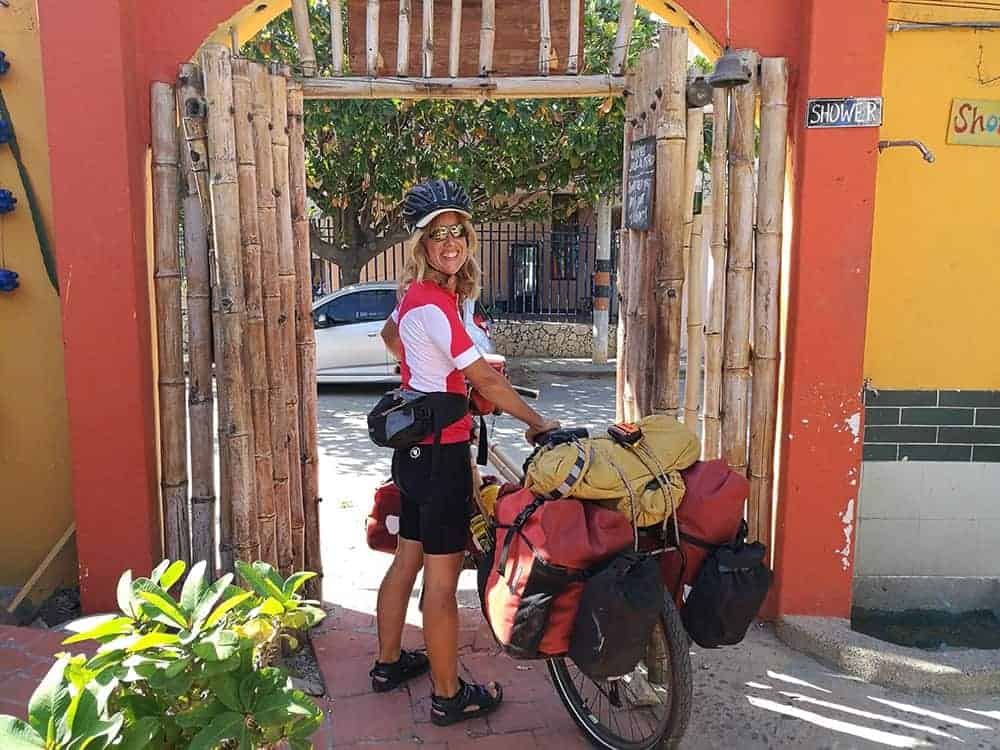
The University of Cumbria — where Dr Kate Rawles holds an associate lectureship and is an associate of the Institute for Leadership and Sustainability — published a news release on 27 February 2018 confirming that Rawles and Woody had completed the Life Cycle expedition: 8,288 miles from northern Colombia to Ushuaia, Patagonia, following the spine of the Andes.
The university’s press release stated explicitly: “University of Cumbria associate lecturer, Dr Kate Rawles, built the bike at the Bamboo Bicycle Club in London from bamboo grown at Cornwall’s world-renowned Eden Project” — confirming both BBC’s role in building Woody and the Eden Project bamboo origin for the academic record. The article linked directly to bamboobicycleclub.org.
The BMC award
The Cumbria University article revealed a previously little-publicised detail: a film of Woody’s construction at the BBC London workshop, made by Cumbria outdoor studies student Lizzi Gilson, won Best Student Film at the British Mountaineering Council’s Women in Adventure film competition in 2017. This was the first independent film award associated with BBC’s work — recognised by the UK’s primary mountaineering institution for its artistic and storytelling quality.
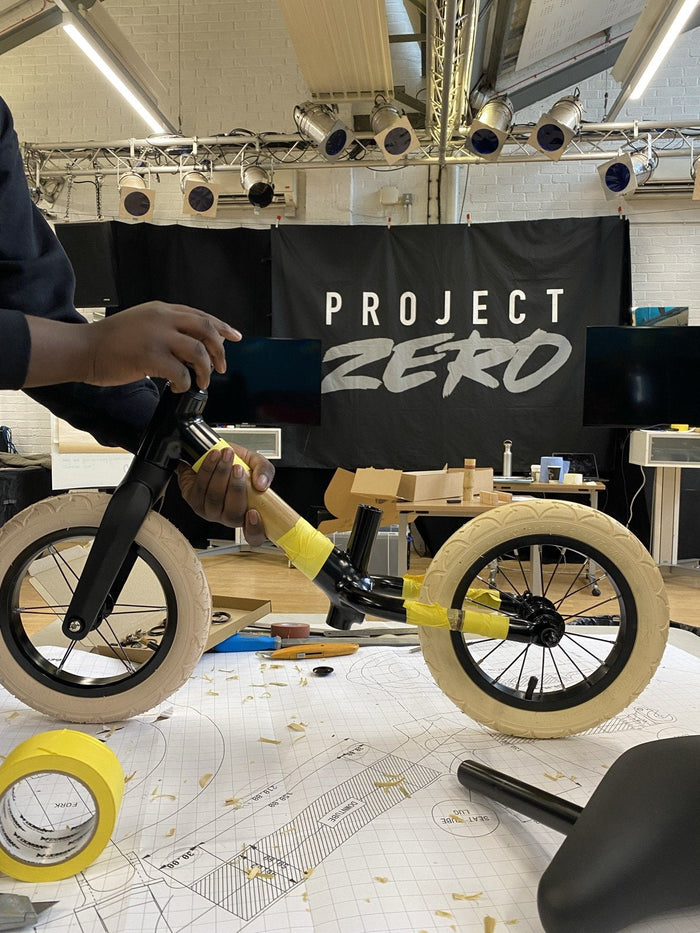
The film documented the physical process of building Woody at BBC: the bamboo selection, the jig setup, the hemp-and-epoxy lug wrapping, and the finished frame. Its award at the BMC Women in Adventure competition — a category that celebrates women doing remarkable things outdoors — recognised both the craftsmanship of the BBC build and the significance of what Kate was about to do with it.
“And of course, everyone was intrigued by the bamboo bike. I love the human-magnet effect that Woody has, and the fact that I’m on a biodiversity ride on a bike that used to be a plant! Just when I thought there was no way I could make it, I got lucky with a tailwind that lasted for ninety-nine miles!” — Dr Kate Rawles, University of Cumbria News, February 2018
The human-magnet effect
Kate Rawles’ phrase “the human-magnet effect” captures something specific about bamboo bicycles in public spaces. Wherever Woody appeared — in Colombian cities, Ecuadorian mountain towns, Bolivian salt flat villages, Chilean fishing ports, Patagonian estancias — it attracted attention, questions, and conversations. Kate’s mission was raising awareness of biodiversity loss; Woody’s presence opened the conversations that let her do it.
This effect is consistent across BBC’s 14 years: workshop participants, kit builders, and expedition riders universally report that a bamboo bicycle generates more public engagement than any conventional frame. The bamboo material is immediately recognisable as unusual; the fact that it’s a rideable bicycle creates genuine curiosity. BBC has never needed to explain its sustainability argument in the abstract. The frame does it.
Kate returned to the UK by cargo ship from Valparaiso via the Panama Canal — consistent with her zero-flying policy for the expedition. She arrived at Tilbury Docks in April 2018. Woody is now on permanent display in a museum.
Book a build
Build your own bamboo bike — in a London workshop or from a kit shipped to your door. No experience needed.
Book a build →