A foldable bamboo wheelchair, built where it's needed
An estimated 100 million people globally need a wheelchair and don't have one. In 2019, BBC began applying its frame-building expertise to this problem.
Figures from BBC programme records. Reoffending is a contested measure — we report what we can verify.
When a shipped steel wheelchair breaks in a rural community with no spare parts, it stops working — and the person who relies on it loses their mobility. A bamboo wheelchair that the community can build and repair itself doesn't have that problem.
The challenge
More than 100 million people worldwide need a wheelchair, and in low-income settings only a small fraction — sector estimates put it at roughly 5 to 15 per cent — actually have access to one. In regions affected by landmines, including Afghanistan, Vietnam, Cambodia, Bosnia, Eritrea, Ethiopia, Sierra Leone and Mozambique, rates of physical disability are especially high. The dominant model ships wheelchairs in containers from wealthier countries, which is costly and leaves communities dependent on outside supply for every repair.
What we did
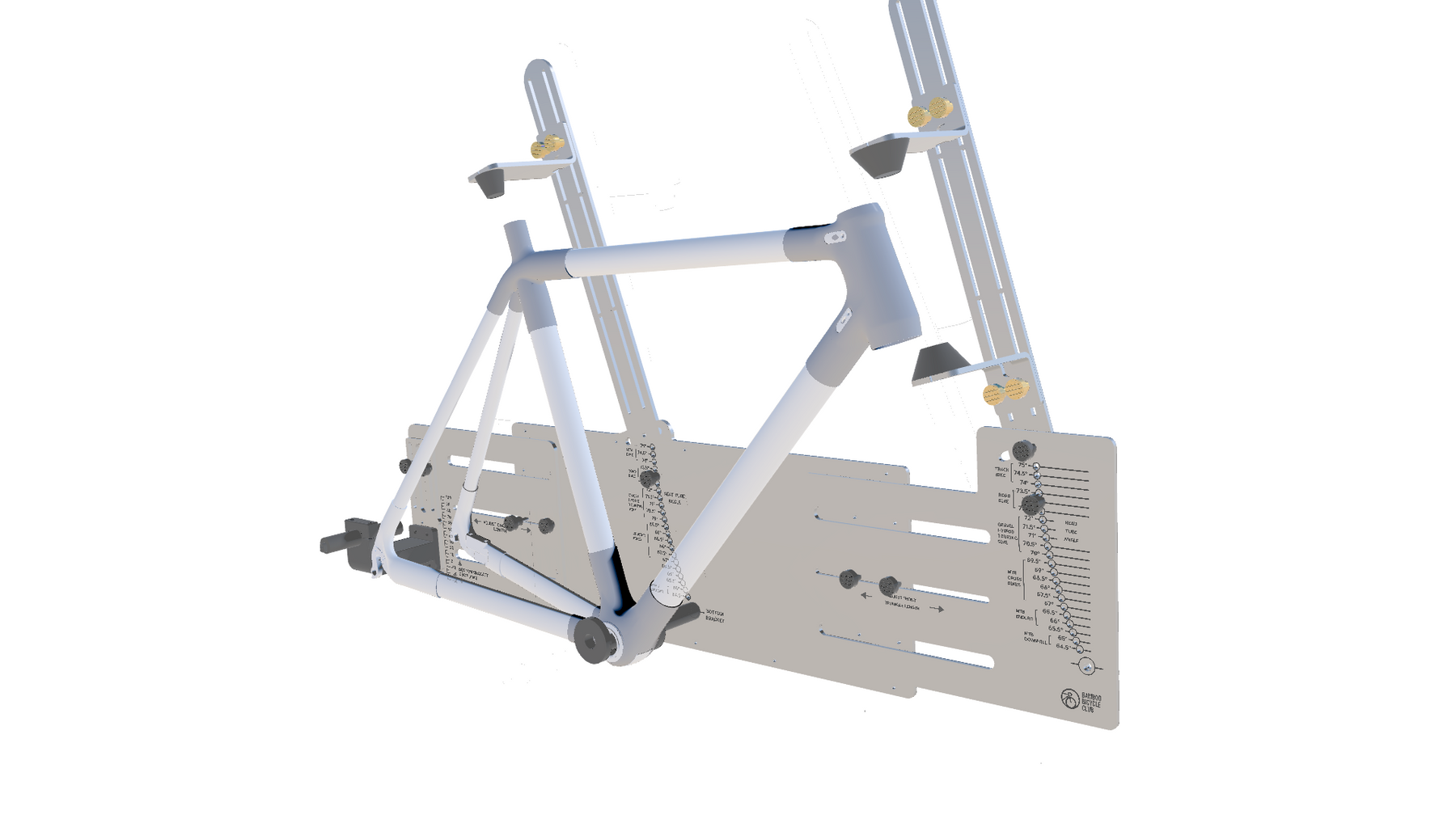
This started as a collaboration. Des, from the Bamboo Bicycle Club community in Munich, worked with Abel from Ethiopia to design and build a foldable bamboo wheelchair prototype — applying the same frame-building approach we use for bikes. Bamboo grows widely, has a strong strength-to-weight ratio, and can be worked with hand tools, so a frame can be built and maintained locally rather than shipped in.
The idea we set out to support is simple: teach the skill, and the people who need a wheelchair most can build and maintain their own — giving them improved ride quality, strength, and the ability to customise the chair to the rider's body.
Where it got to
A foldable prototype was designed and built around 2019–2020. It's a local-material, local-build approach with no external supply chain, demonstrated at prototype stage. We're not claiming finished products, deployments or partnerships beyond that — this was early, collaborator-led development work, and we'd rather say what's true than inflate it.
In their words
"improved ride quality, strength and ... the ability to customise to the rider's body"
— describing the advantages of building a wheelchair from bamboo (BBC, 2020).
Why it matters
The same belief runs through everything we do: the people who use a thing should be able to build and fix it themselves. A bamboo wheelchair turns a one-off donation into a repeatable, local skill — which is exactly the point.
If you're working on a bamboo build, including mobility projects, get in touch at info@bamboobicycleclub.org.
Links
- Original prototype write-up (2020): /blogs/club-news/bamboo-wheelchair-design
Every bike we sell funds a place on the programme.
Fund a cohort, offer placements, or partner with us. This is how stories like this one keep happening.
Support the mission →