Protectmybike: Eco-Friendly Cycling — Bamboo Bicycle Club Featured in Sustainability Guide
Protectmybike
29 July 2024 (updated 15 October 2024) | Eco-Friendly Cycling Guide
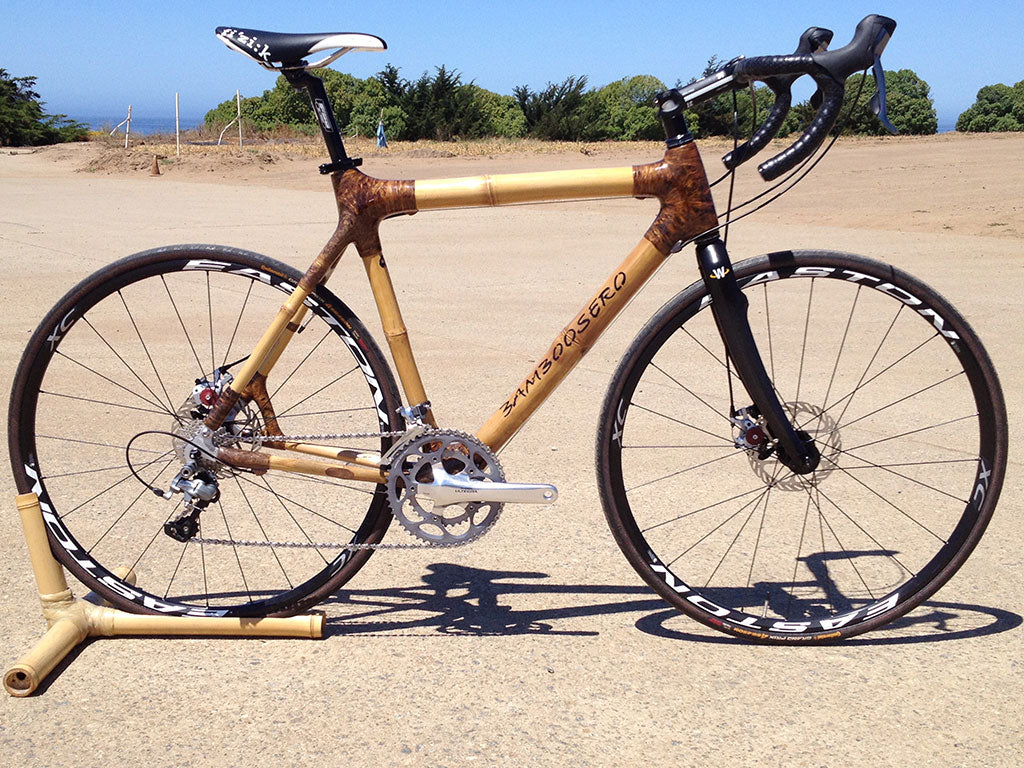
“Bamboo is a rapidly renewable resource, with some species growing up to 91 cm (35 inches) in a single day, making it an ideal material for sustainable bike frames. Bamboo doesn’t require pesticides or replanting, adding to its eco-friendliness. These frames also provide a great blend of strength and flexibility, delivering a smooth, comfortable ride comparable to carbon fibre.” — Protectmybike, citing the International Network for Bamboo and Rattan (INBAR)
Protectmybike — a UK cycling insurance and advice platform, helping cyclists protect and maintain their bikes — featured Bamboo Bicycle Club in its Eco-Friendly Cycling guide in July 2024, updated October 2024. The guide positioned BBC alongside other sustainable cycling brands as part of a broader editorial examination of how cyclists can reduce the environmental impact of their hobby — from frame materials to component sourcing to end-of-life disposal.
Protectmybike’s inclusion of BBC in its sustainability guide is significant for a specific commercial reason: cycling insurance customers are exactly the segment of the market who own and ride bikes seriously. They invest in their equipment; they ride regularly; and they are, statistically, more likely than casual cyclists to care about the material and manufacturing footprint of their frames. A recommendation in a cycling insurance platform’s sustainability guide reaches people who are actively making decisions about their next bike purchase.
The INBAR citation
Protectmybike’s editorial team drew on the International Network for Bamboo and Rattan (INBAR) — the intergovernmental organisation that coordinates bamboo and rattan research and policy globally — to substantiate its bamboo frame description. The 91 cm daily growth figure is accurate for Moso bamboo under optimal conditions; the no-pesticide and no-replanting characteristics are genuine properties of bamboo cultivation. Using INBAR as a source placed BBC’s sustainability claims within an internationally recognised scientific framework.
This matters in the context of BBC’s press archive. Most of BBC’s press coverage since 2012 has described bamboo’s properties in general terms; Protectmybike’s July 2024 piece cited specific data from a credible international body. For cyclists who research their purchases carefully — and Protectmybike’s audience does — this kind of sourced sustainability claim is more persuasive than editorial assertion.
“The Bamboo Bicycle Club offers DIY kits, allowing riders to build their own eco-friendly bikes while lowering the carbon footprint associated with large-scale manufacturing.” — Protectmybike, July 2024
Sustainability credentials in 2024
Protectmybike’s eco-friendly cycling guide was published in July 2024 — the same year BBC work appeared in ‘Match: Design & Sport’ at the Musée du Luxembourg in Paris. The Protectmybike piece reached a practical, purchase-oriented cycling audience rather than a design or academic one — people looking for their next bike, not their next exhibition to visit.
For that audience, the combination of INBAR sustainability data and BBC’s specific DIY kit model addressed the two questions most likely to prevent a purchase: is bamboo actually sustainable? and can I actually build it? Protectmybike answered both with clarity, placing BBC in front of a mainstream cycling consumer audience that the design and cultural press rarely reached.
Book a build
Build your own bamboo bike — in a London workshop or from a kit shipped to your door. No experience needed.
Book a build →