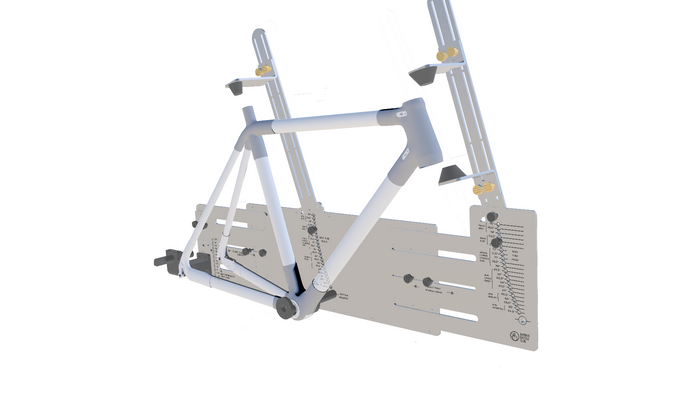
Working with Natural Fibres and Resins
“What exactly is a bio composite?”, the different types out there, application in different industries, and last but not least, a live demo on best practices and how to create your very own!
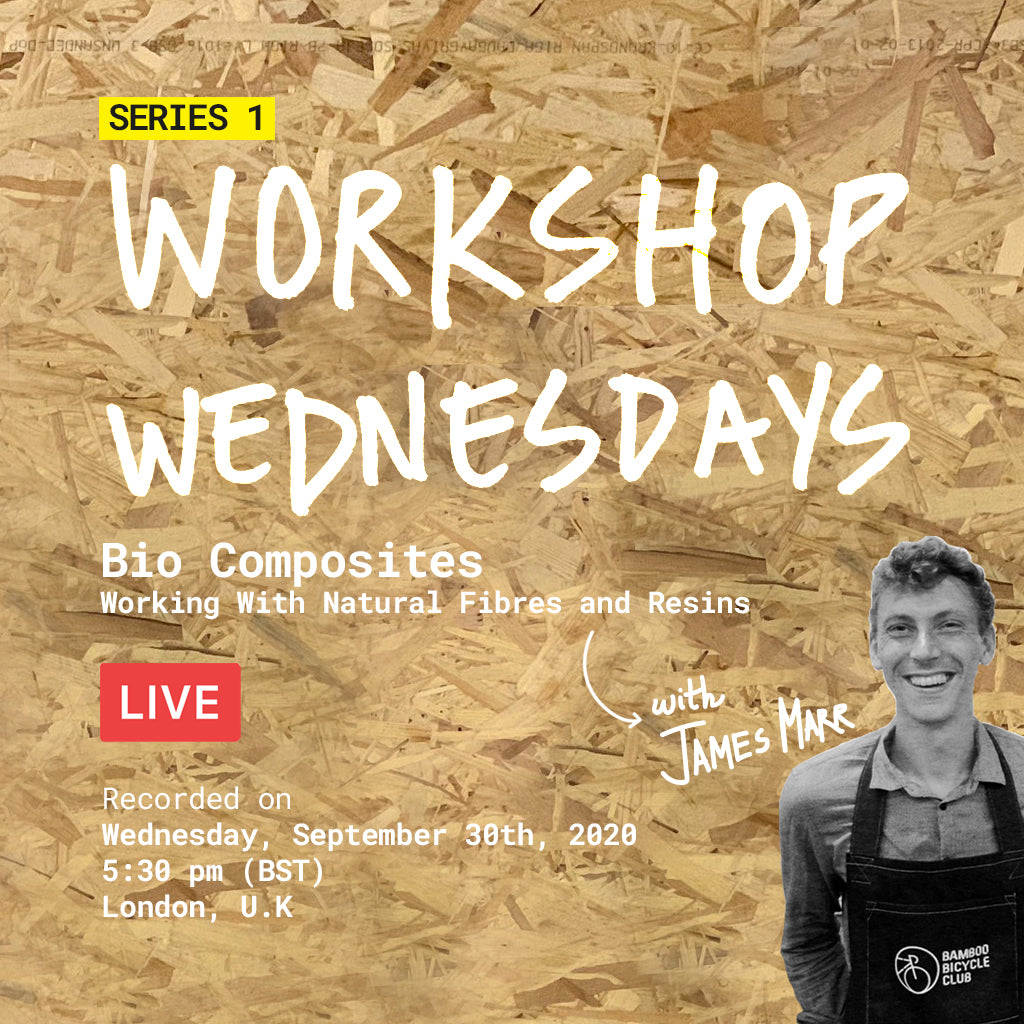
Workshop Wednesdays, Series 01, Episode 03
Bio composites - Working with Natural Fibres and Resins with James Marr
🔴Recorded live on Wednesday, September 30th, 2020 at 5.30 pm (GMT) in London, U.K 🔴
Our third live #workshopwednesdays focused on the background and development of bio composites. We kicked off with “What exactly is a bio composite?”, delved into the different types out there, discussed its application in different industries, and last but not least, gave you a live demo on best practices and how to create your very own!
▬ Contents of this video ▬▬▬▬▬▬▬▬▬▬
0:00 - Intro
0:33 - What are bio composites?
1:33 - Examples of bio fibres
2:52 - What is a natural resin?
3:29 - Celebrating workshop wednesday with a nice IPA beer 🍻
4:29 - Step by step demo of reinforcing bio composite on a bamboo bicycle frame
9:01 - Safety gloves
9:39 - Glue mixing instructions and tips
12:58 - Demo of mixing the glue correctly
14:27 - Applying the glue to the flax fibre
16:05 - Demo of the hand lay up process
20:10 - Adding compression using tape
21:54 - Second example of bio composite
22:16 - Questions from the live audience
22:56 - Lifespan of a bio composite
24:45 - Finishing and protecting bamboo
25:53 - Summary and overview of workshop
27:03 - Sign off
--------
Our live #workshopwednedays videos will help you to learn more about bamboo bicycles, tips and tricks on how to fit components, maintain your bike and how to be creative with bamboo. Hosted by James Marr, a bicycle designer and an engineer, James goes live every other Wednesday to help you learn about building a bamboo bicycle and takes your questions and announces promotions and deals of the week!
🪡 James' workshop apron was made by Georgina Habgood https://www.instagram.com/geeorrrge/ from denim deadstock. She is hoping to make the sewing pattern available for free soon.
✏️ Graphic design and titles by Hasan Waliany https://www.instagram.com/herby_werby/
If you’re building a bamboo bicycle frame, need help or would like to learn more about our Home Build kits, have a look at this link: https://bamboobicycleclub.org/products/lugged-kit-frame
Best way to learn about us is by visiting our Club News for detailed build reviews by our community of bamboo bicycle builders: https://bamboobicycleclub.org/blogs/club-news
Book a build
Build your own bamboo bike — in a London workshop or from a kit shipped to your door. No experience needed.
Book a build →